General Contact
+6011-1104 9280Appointments
WhatsApp Us Now

Healthy Teeth, Happy Life
©Fadason Dental Sdn Bhd 2025. All Rights Reserved

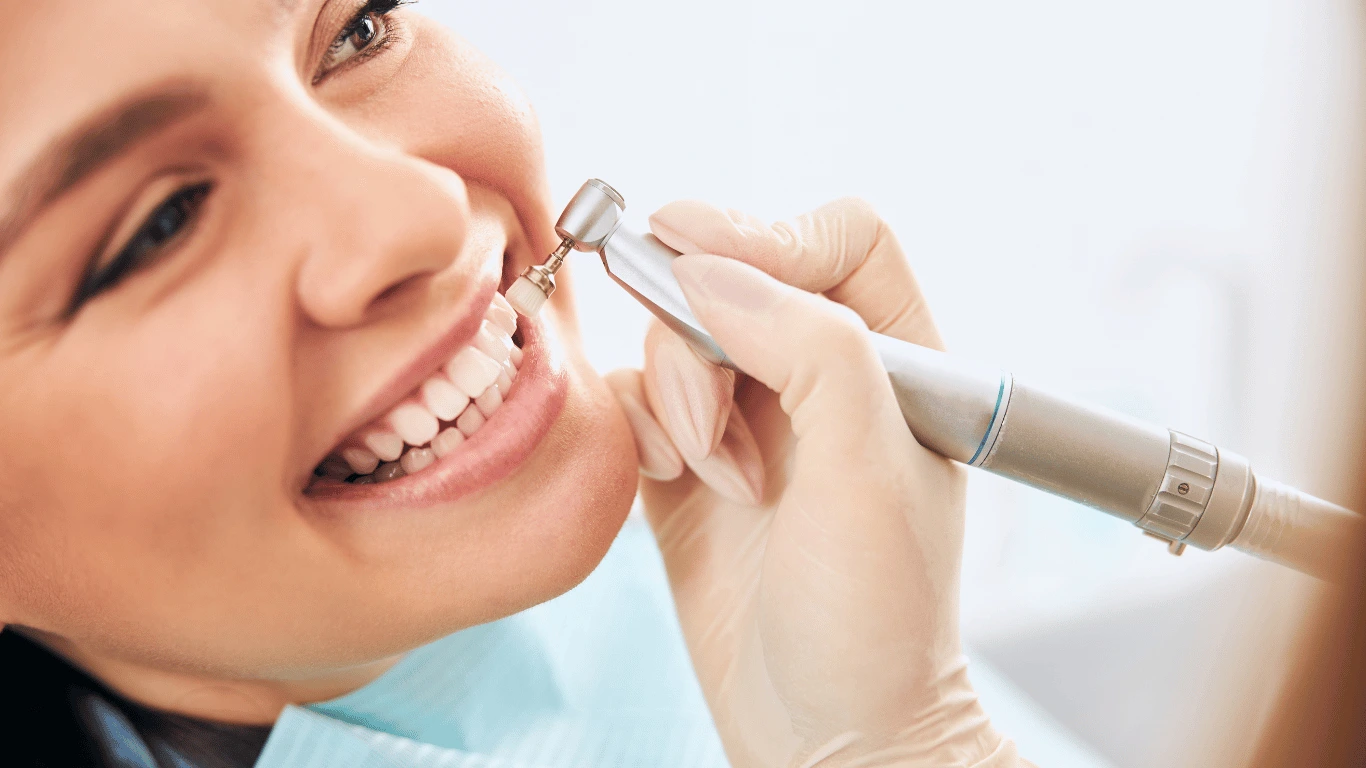
Do you feel nervous whenever you think about getting your teeth cleaned? Are you worried about tooth sensitivity, bleeding gums, or the sound of dental instruments?
The good news is that professional teeth cleaning, also known as dental scaling, is an important part of maintaining good oral health, and the procedure does not have to be uncomfortable.
Whether you are visiting a dentist for the first time, have sensitive teeth, or have not had your teeth professionally cleaned for a long time, understanding the teeth cleaning process can help you feel more relaxed and confident before your appointment.
In this guide, we will explain the steps involved in pain-free teeth cleaning, how to prepare for your appointment, what to expect after treatment, and how to choose a dental clinic that prioritises your comfort.
If you are looking for gentle dental cleaning in Kepong or Kuala Lumpur, Fadason Dental can help you understand your options and the importance of regular dental care. Learn more about scaling and polishing.
Pain-free teeth cleaning generally refers to a dental cleaning approach designed to minimise discomfort and make the experience as comfortable as possible.
Although brushing and flossing help remove plaque, plaque that remains on the teeth can harden over time and form tartar, also known as dental calculus. Once tartar has formed, it cannot be completely removed through regular brushing alone. Professional dental cleaning is needed to remove these deposits.
A routine professional cleaning typically involves two main procedures:
It is important to understand that pain-free teeth cleaning does not necessarily mean you will feel absolutely nothing. Your experience depends on your oral health, the amount of tartar present, gum inflammation and tooth sensitivity.
A gentle approach, clear communication with your dentist and appropriate adjustments during treatment can help minimise discomfort.
Before cleaning begins, your dentist will usually examine your teeth, gums and overall oral health.
The examination may include checking for:
If you have sensitive teeth or have experienced pain during previous dental cleanings, let your dentist know before the procedure starts.
This allows your dentist to better understand your concerns, explain the treatment process and adjust the approach where appropriate.
This is the main part of the dental scaling procedure.
Depending on your oral health, your dentist may use an ultrasonic scaler or specialised hand instruments to remove tartar from the tooth surfaces and around the gumline.
When an ultrasonic scaler is used, you may notice gentle vibrations, the sound of the instrument and a flow of water.
If your gums are healthy and there is only a small amount of tartar, the procedure is often easier to tolerate.
However, if you have substantial tartar buildup, inflamed gums or deposits below the gumline, you may experience temporary sensitivity or discomfort.
How can you make teeth cleaning more comfortable?
Professional teeth cleaning is not just about removing tartar. It is also about providing appropriate care while considering your comfort and oral health needs.
After tartar removal, your dentist may recommend polishing, depending on your individual needs.
Polishing typically involves a specialised dental instrument and polishing material to remove certain surface stains and help smooth the tooth surfaces.
After the procedure, your teeth may feel cleaner and smoother when you run your tongue over them.
However, polishing does not replace scaling, and it cannot guarantee the removal of every stain or change the natural colour of your teeth.
If you are concerned about significant tooth discolouration, consult your dentist to find out whether another treatment may be suitable.
Once cleaning is complete, your dentist may examine your teeth and gums again to assess the results and recommend any necessary follow-up care.
If there are signs of gum disease, deep gum pockets, tooth decay or other oral health concerns, further examination or treatment may be recommended.
It is important to distinguish routine dental scaling from deep periodontal cleaning. Patients with more advanced gum disease may require deeper periodontal treatment, and local anaesthesia may be necessary in some cases.
Your dentist will determine the most appropriate treatment based on your clinical examination.
After your teeth cleaning appointment, your dentist may provide personalised advice based on your oral health.
In general, you should continue maintaining good oral hygiene by brushing twice daily with fluoride toothpaste and cleaning between your teeth every day.
If you experience mild sensitivity after cleaning, temporarily avoid foods and drinks that trigger discomfort, such as very hot or cold items, and monitor your symptoms.
Contact your dentist if you experience significant pain, persistent bleeding or discomfort that continues to worsen.
This is one of the most common questions people ask before booking a dental appointment.
Routine teeth cleaning can often be completed without significant pain. However, your experience depends on your gum health, tooth sensitivity, the amount and location of tartar, and the type of cleaning required.
Here are some common situations and what you might experience:
If you are particularly anxious about pain, let the dental clinic know when booking your appointment.
At Fadason Dental, gentle and attentive dental care, together with clear communication about treatment, can help patients feel more informed and comfortable during their dental visits.
Even if you brush your teeth carefully every day, plaque and tartar can still accumulate in areas that are difficult to reach with a toothbrush.
Regular professional dental examinations and cleaning can help you maintain better oral health.
Professional dental instruments can remove hardened tartar that cannot be eliminated through ordinary brushing alone.
Plaque and tartar buildup can contribute to gum inflammation. Professional cleaning, combined with good daily oral hygiene, helps manage these deposits and supports gum health.
Removing plaque, tartar and certain surface stains can leave your teeth feeling cleaner and smoother.
Regular dental check-ups allow your dentist to look for tooth decay, gum problems and other oral health concerns that may need attention.
How often should you get your teeth cleaned?
A dental check-up and cleaning every six months is a common starting point for many people. However, the appropriate frequency depends on your gum health, how quickly tartar accumulates, your risk of periodontal disease and your dentist's recommendations.
If you frequently experience bleeding gums, persistent bad breath or rapid tartar buildup, do not wait until your next routine cleaning. Arrange a dental examination to identify the underlying cause.
A little preparation can help make your dental visit smoother and more comfortable.
These preparations help your dentist understand your needs and make it easier for you to feel comfortable throughout the procedure.
Aftercare is an important part of maintaining the benefits of professional teeth cleaning.
You generally do not need to stop brushing after a routine cleaning because of mild sensitivity.
Use a soft-bristled toothbrush and fluoride toothpaste, and brush gently to avoid irritating your gums.
Dental floss or an appropriate interdental cleaning tool can help remove food debris and plaque from areas your toothbrush cannot easily reach.
Some people experience temporary sensitivity after cleaning. You can reduce exposure to very hot or cold foods and drinks and ask your dentist whether a desensitising toothpaste may be suitable.
If the sensitivity persists, becomes more severe or affects a particular tooth, arrange a dental examination.
If you had gum inflammation before your appointment, you may experience some bleeding or discomfort during or shortly after cleaning.
However, persistent bleeding, significant pain or worsening symptoms should be assessed by a dentist. Do not automatically assume these symptoms are normal.
Whether you need further treatment depends on your examination results. If you have gum disease, follow your dentist's recommendations for ongoing periodontal care and review appointments.
Not necessarily. The aim is to minimise pain and discomfort, but the experience varies depending on your tooth sensitivity, gum health and the amount of tartar present.
If you experience pain during the procedure, tell your dentist so they can assess whether the technique or pain management approach needs to be adjusted.
Not always. If your gums are healthy and there is little tartar buildup, the procedure is often relatively easy to tolerate.
If you have not had your teeth cleaned for a long time, you may have more tartar buildup or gum inflammation, which can make cleaning less comfortable. Your dentist can recommend an appropriate approach after examining your mouth.
Professional dental scaling does not normally loosen healthy teeth.
If you have periodontal disease, the tissues supporting your teeth may already be weakened. After tartar is removed, you may become more aware of spaces between your teeth or existing tooth mobility. This does not necessarily mean the cleaning caused the problem.
If your teeth feel noticeably loose, consult your dentist for an assessment.
Temporary sensitivity may be related to existing gum inflammation, exposed tooth roots or the removal of tartar that previously covered sensitive areas.
If the sensitivity persists or becomes more severe, seek a dental assessment.
The duration varies depending on the amount of tartar, the alignment of your teeth, your gum health and whether additional examinations or treatments are needed.
You can ask your dental clinic for an estimated appointment duration when booking.
If you are looking for a dental clinic that considers patient comfort, you can explore the general dental services offered by Fadason Dental.
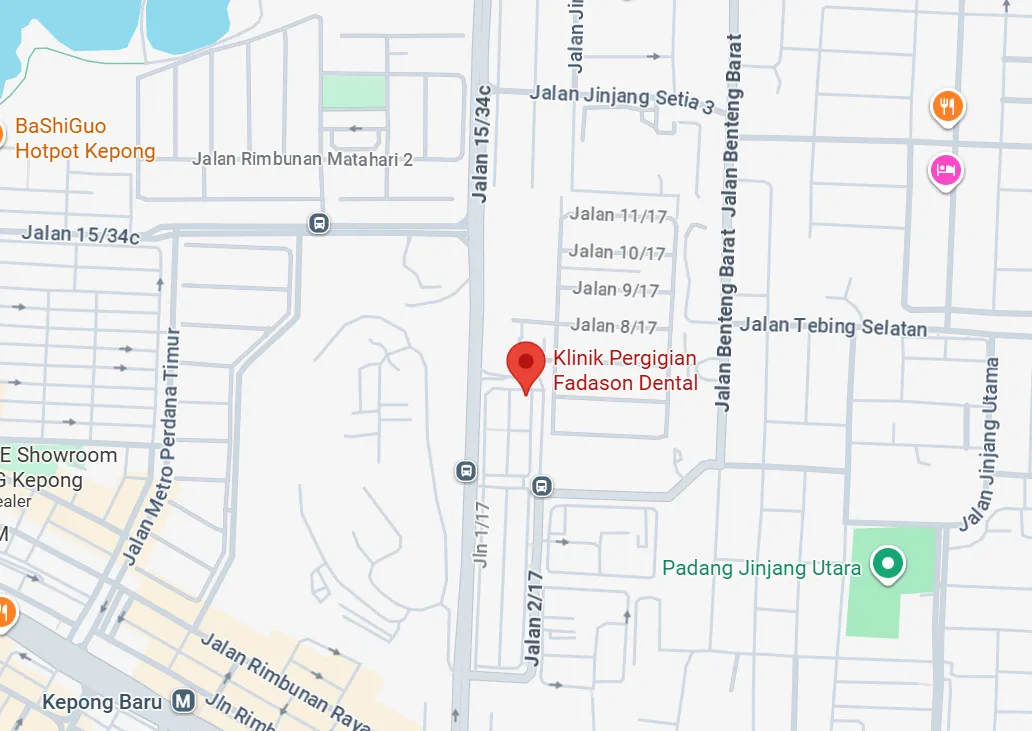
Located in Taman Fadason, Kepong, Kuala Lumpur, Fadason Dental provides dental examinations, professional cleaning and other dental treatments.
Visit the website to learn more about available services and appointment arrangements.
Professional teeth cleaning is an important part of maintaining good oral health, but fear of pain should not prevent you from seeking dental care.
Understanding the procedure, communicating your concerns to your dentist and choosing a dental team that prioritises careful treatment and patient comfort can help you feel more confident about your visit.
If you are looking for professional teeth cleaning in Kepong or Kuala Lumpur, Fadason Dental aims to provide attentive dental care with clear communication and consideration for patient comfort.
Ready to schedule your professional teeth cleaning appointment?
Contact Fadason Dental to learn more about dental scaling services and appointment availability.
Make regular dental check-ups and good daily oral hygiene part of your routine for a healthier smile.
We're open daily, schedule for an appointment with us or simply drop by if it's urgent. Navigate to our clinic via the buttons below.